
"mechanical semi-washed"
200 article(s) found

Brazil Cafes Do Brazil (part two)
Coffee varieties Arabica and Robusta are produced, of which Arabica accounts for 70% to 80%. In Arabica coffee, the more common varieties are Modo Novo, Catuai, Bourbon, Maragoripe and so on. Coffee harvest can have three or four harvest seasons in a year. Mechanical picking is very common. The method of picking is very different from that of other boutique countries. Mechanical picking process

Brazil Arabica Coffee beans Brazil becomes the largest Coffee inventory Source on the ICE Exchange
Professional coffee knowledge exchange more coffee bean information Please follow Coffee Workshop (Wechat official account cafe_style) after Brazil began to provide high-quality semi-washed Arabica coffee beans to the ICE Exchange last year, Brazil became the largest source of exchange coffee stocks in March 2021, surpassing Honduras, the No. 1 source country for many years. Due to mechanization

What are the differences in the treatment of several common coffee beans, [sun exposure, water washing, honey treatment]?
For information, please follow the coffee workshop (Wechat official account cafe_style) 01. Natural solarization is the oldest treatment in existence. This method is still used in places such as Ethiopia and Brazil. The fruit begins the process of sun drying without treatment after picking. It can be dried with a mechanical dryer, or it can be laid on a yard, on a drying table, on a tarp or

Is semi-washing the same as wet planing? What's the difference between them?
Professional coffee knowledge exchange more coffee bean information Please pay attention to the coffee workshop (Wechat official account cafe_style) semi-washing method is a relatively new and quite rare method. This method is also suitable for processing local coffee only in specific areas of some countries where there is a long drying period in the climate. The coffee produced by this method is sticky, while

A brief introduction to Brazilian Coffee
Coffee varieties: both Arabica and Robusta are raw and manufactured, of which Arabica accounts for 70% to 80%. Among Arabica coffee varieties, there are Modo Novo, Catuai, Bourbon, Maragoripe and so on. Coffee harvest can usher in three or four harvest seasons in a year, and mechanical picking is extremely widespread. The path of picking is very different from that of other masterpieces. Mechanical picking
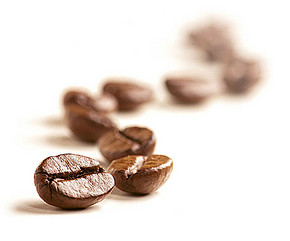
What are the processing techniques for raw beans of Brazilian coffee?
Following Cafe Review (official Wechat account vdailycom) found that during the growing stage of coffee fruit, artificial picking and processing processes will bring unique taste to the coffee, as well as take away some of the unique flavor of the coffee. In my opinion, the processing technology of raw coffee beans is one of the key factors to determine the quality of coffee. If the workers are skilled enough

Brazilian Queen COE Fine Coffee beans _ Analysis of semi-washed Yellow bourbon Baking and Cooking in Queen's Manor of Brazil
For more information about coffee beans, please follow the Coffee Workshop (official Wechat account cafe_style) the Brazilian Coffee Queen's Manor semi-washed Yellow bourbon Introduction by Chris Kornman introduction this Brazilian coffee comes from FazendaRainha (Queen's Manor), which covers an area of 280mu and is located in Vale da Grama, an ancient volcanic valley in Brazil.

Effect of semi-washing on coffee flavor Introduction of washing and solarization flavor wheel treatment
Coffee processing method to remove pectin: take out coffee beans, do not need to take the sun, do not need to pour into the sink fermentation, but directly into the pectin scraper next to the machine, only a small amount of water can be mechanically scraped to remove the sticky pectin crumbs. Exposure: then take out the smooth surface of the raw beans, get outdoor exposure, until the moisture content dropped to 12% can be put into the warehouse 1, bean selection: the harvested fruit into

Processing Technology of Brazilian Coffee Raw beans semi-washing Commercial Coffee Bean Italian blending Formula
Boutique coffee is fresh coffee. Whether it's food or drink, of course, the fresh the better, and so is boutique coffee. High-quality coffee should keep the coffee beans fresh before making, including the preservation of baked beans, and grind the coffee beans into powder before making, which is also to retain its original and best flavor. And the way of making hand-made coffee is such a way to make high-quality coffee.

Brazilian coffee making technology Brazilian coffee beans
Let's talk about desizing. The desizing method was introduced to Brazil 25 years ago by Pinhalense, a well-known machinery and equipment manufacturer. Desizing is the second most popular way to treat raw coffee beans in Brazil, and Brazilians like to call it Cereja Descascado (Descascado means peeling, Cereja means fruit). In Central American countries, desizing is also known as honey treatment. In
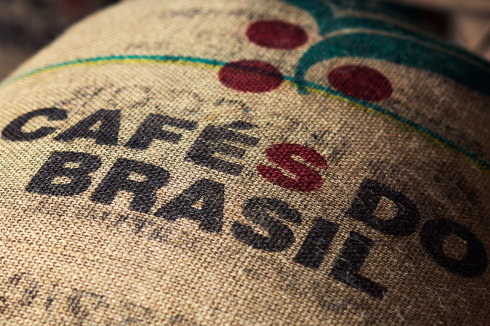
World Coffee Manor production area introduction: coffee producing country Brazil Cafes Do Brazil (part two)
Coffee varieties Arabica and Robusta are produced, of which Arabica accounts for 70% to 80%. In Arabica coffee, the more common varieties are Modo Novo, Catuai, Bourbon, Maragoripe and so on. Coffee harvest can have three or four harvest seasons in a year. Mechanical picking is very common. The method of picking is very different from that of other boutique countries. Mechanical picking process

The aroma of boutique coffee
Following Kaiping (official Wechat account vdailycom) found that the honey aroma of Beautiful Cafe opened its own shop omitting the step of the fermentation tank, and coffee producers began to mechanically replace enzymes and microbes out of the mucous membrane. The machine is called mucous membrane remover or washing pulp collector, and its prototype has been developed as early as half a century ago. Using this machine, as long as
The treatment of coffee beans explain in detail what is coffee semi-washing method
One is drying, one is washing, and the other is semi-washing. This article "the treatment of coffee beans: what is coffee semi-washing?" the article will introduce the last method of coffee bean treatment, the semi-washing method. Next, please see the detailed introduction of the coffee semi-washing method. Coffee semi-washing method is a compromise between drying method and water washing method. The practice is to wash the harvested coffee fruit.

Do you know there are three ways to process coffee beans? Introduction to the respective characteristics of the three major coffee bean treatment methods
Professional coffee knowledge exchange more coffee bean information Please pay attention to the coffee workshop (Wechat official account cafe_style) generally speaking, there are three ways to treat coffee, namely: sun drying: bean drying, shelling, screening and grading. Washing method: selecting beans, removing pulp, fermenting, washing, drying, shelling, selecting and grading. Honey treatment (between sun exposure and washing): daily with mucous membrane

Introduction of Starbucks Sumatra Coffee Bean semi-washed Flavor Price Manor
Washing is the most technical way to pick up beans, and the quality of coffee is ensured through multiple sieving procedures. First move the red fruit and half-green and half-red fruit that have sunk into the sink into a large or medium-sized pulp screening machine (PulpingMachines). It is so cleverly designed that the mechanical force presses the fruit against one side of the sieve hole, which is exactly the size of the pod (coffee wrapped in sheepskin).

How many treatments are there for Brazilian coffee? Brazilian coffee flavor
The four most common treatment methods of Brazilian coffee are natural solarization, desizing, semi-washing and water washing, among which natural solarization is the most popular. Since the harvest seasons in Brazil's two main producing areas, Serrado Minero (CerradoMineiro) and Mogiana Paulista (Mogiana Paulista), are both dry seasons of the year, natural solarization is popular in this region.

Distinction between water washing and semi-washing beans-steps of semi-washing coffee beans
Distinguish beans from semi-washed beans-Coffee beans semi-washed step: first, put the coffee fruit into a large trough, move the red fruit and semi-green and semi-red fruit into the pulp screening machine to remove pulp and impurities. Remove pectin: take out the coffee beans, do not need to take them to the sun, let alone pour them into the sink to ferment, but directly pour into the nearby pectin scraper, only a small amount

Coffee knowledge | what are the raw beans of Brazilian coffee?
Professional coffee knowledge exchange more coffee bean information Please pay attention to the coffee workshop (Wechat official account cafe_style) the four most common treatment methods of Brazilian coffee are: natural sun treatment, desizing treatment, semi-washing and water washing, of which natural sun treatment is the most popular. Due to the two main producing areas of Brazil, Serrado Minero (Cerrado Mineiro) and Mogiana Poly

Brazilian Green Coffee Processing Craft Coffee Green Coffee Merchant American Fine Coffee
The four most common treatments for Brazilian coffee are sun, desizing, half-washing and washing, with sun being the most popular. Since the harvest seasons of Cerrado Mineiro and Mogiana Paulista, Brazil's two main producing areas, are both dry seasons of the year, natural solarization is common in this area.
Brazilian coffee beans processing Brazilian coffee green beans wholesale coffee beans American coffee beans
The four most common treatments for Brazilian coffee are sun, desizing, half-washing and washing, with sun being the most popular. Since the harvest seasons of Cerrado Mineiro and Mogiana Paulista, Brazil's two main producing areas, are both dry seasons of the year, natural solarization is common in this area.